
Education
Why Elk Distribution Matters
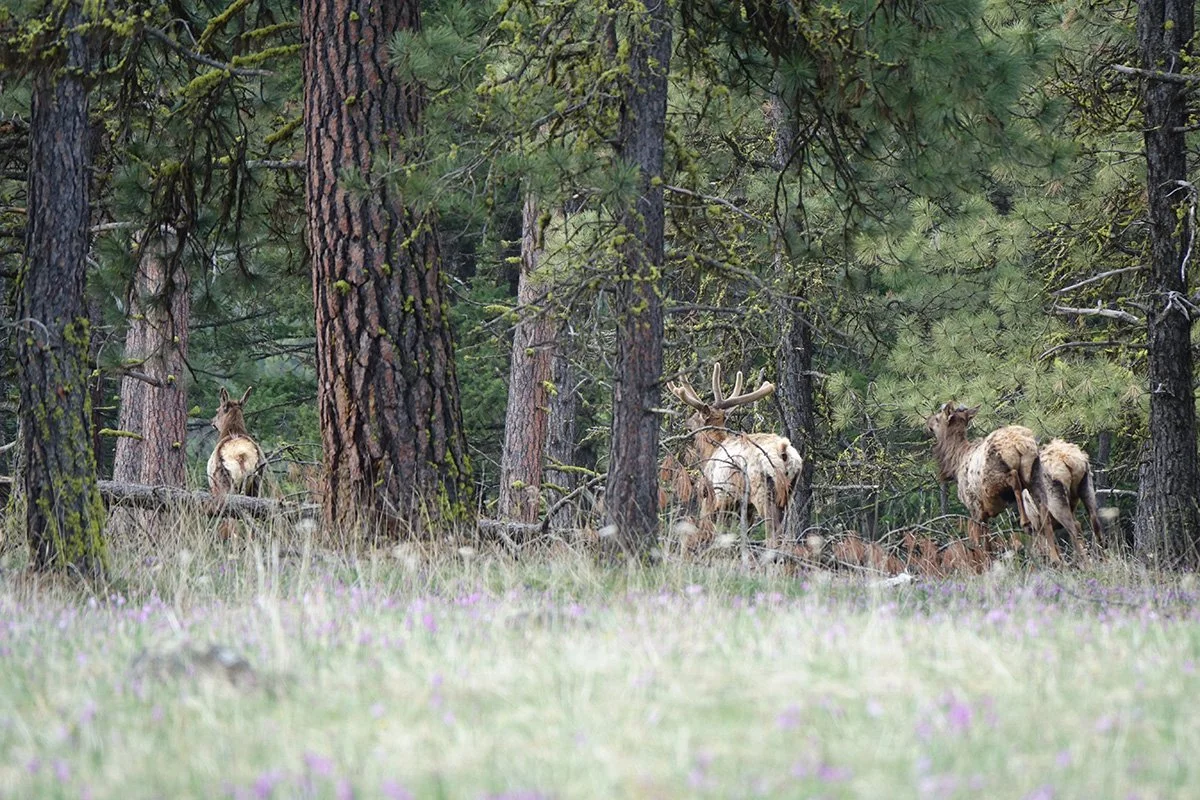
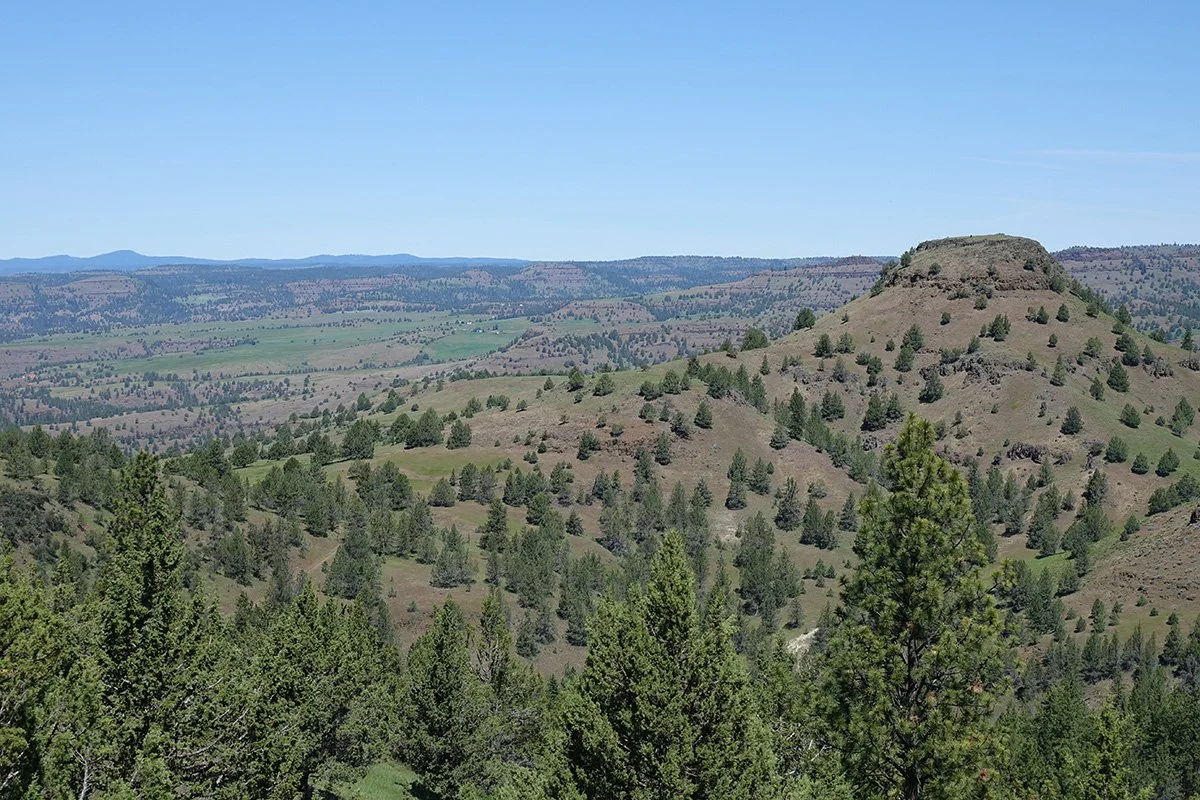
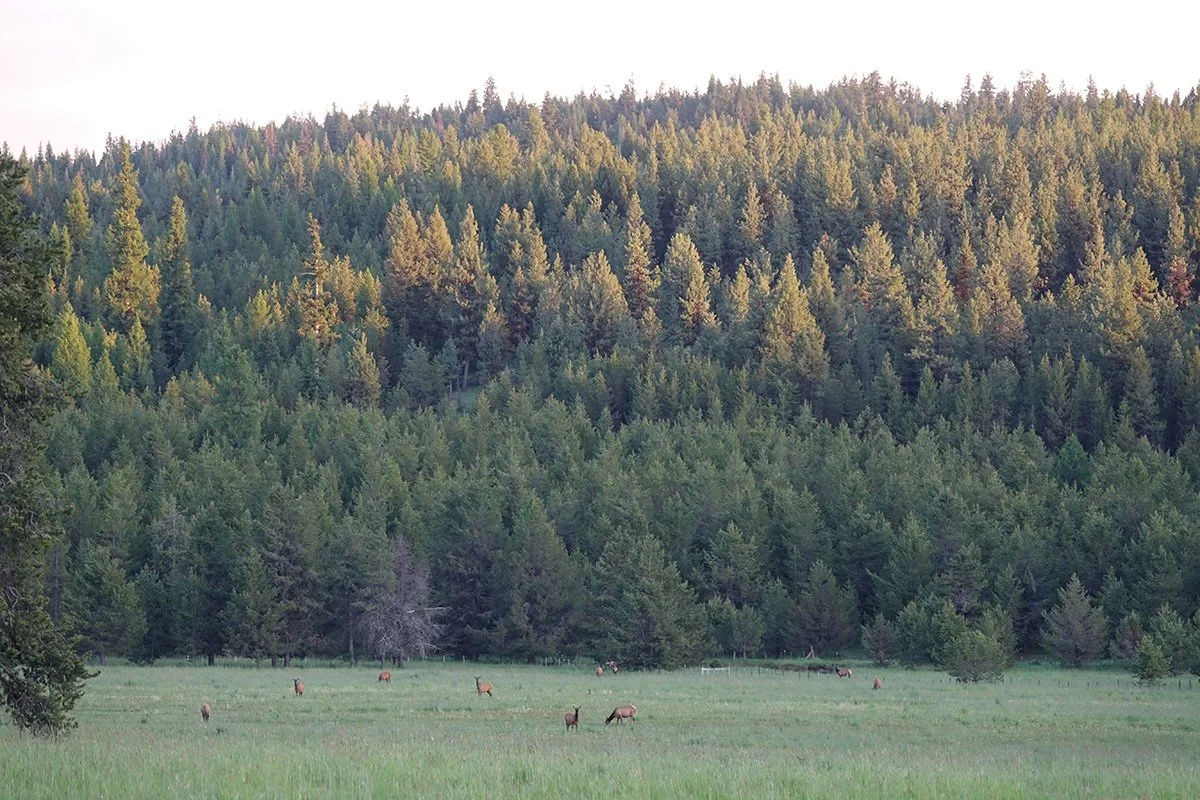
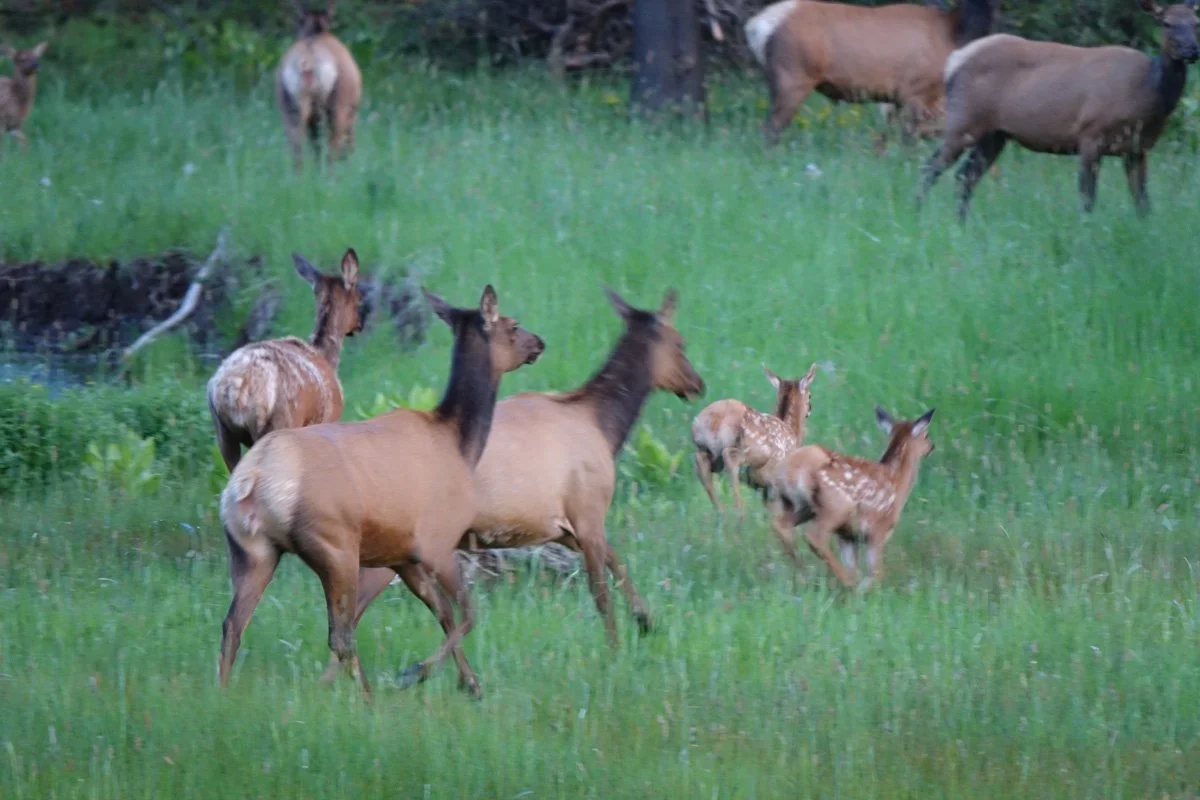
For decades, elk in the Blue Mountains followed a predictable seasonal pattern: summers at higher elevations on public land, winters at lower elevations on private land. That pattern has shifted. Over the past 30 years, elk have started moving onto private lands earlier in the year, staying longer, and in some cases no longer migrating back to public land at all.
This change affects everyone who has a stake in these landscapes — private landowners, hunters, wildlife managers, and the communities that depend on healthy elk herds.
The Impact
When elk spend more time on private land, landowners can see real damage: broken fences, destroyed haystacks, and overgrazed crops and pasture. Wildlife managers and landowners respond with tools like hazing and targeted damage tags to encourage elk back toward public land, and in some areas states have adjusted hunting regulations to increase harvest where private-land damage is chronic.
At the same time, public and tribal hunters have less opportunity for successful hunts if elk are on private lands that offer little to no public access.
What Drives Elk Distribution
Elk behavior is shaped by more than any single factor. They gravitate toward the best available forage, but will trade quality for security, avoiding areas with heavy human disturbance. Decades of research show elk consistently avoid open, motorized roads and trails — especially within a half-mile — most strongly during hunting season. On private land, elk often grow accustomed to a landowner's daily routine and don't show the same avoidance behavior.
Recreational use of public lands continues to grow, adding to the disturbance elk experience. Human activity generally has a bigger effect on elk behavior than natural predators. While wolves can influence elk movement and habits, the Blue Mountains have a low wolf-to-elk ratio compared to areas where most wolf-elk research has been done, and there's no evidence wolves are affecting elk at the population level here.
Working Toward Solutions
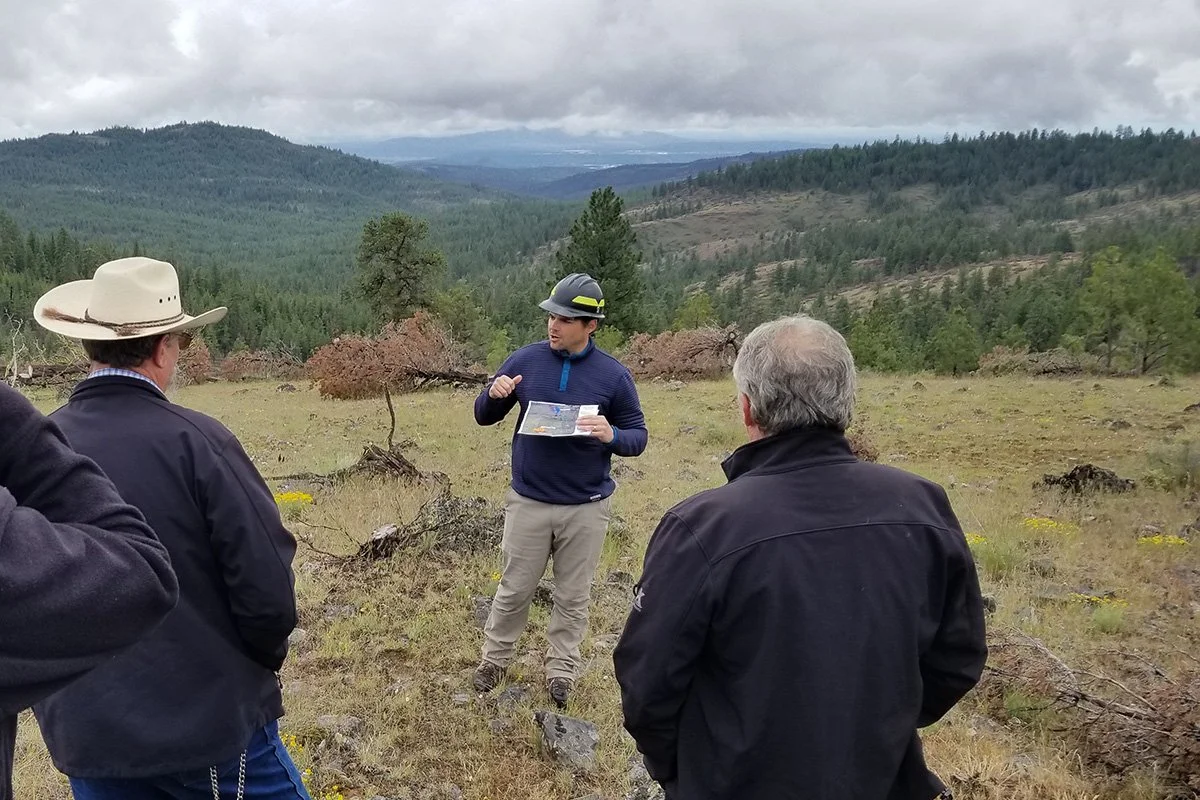
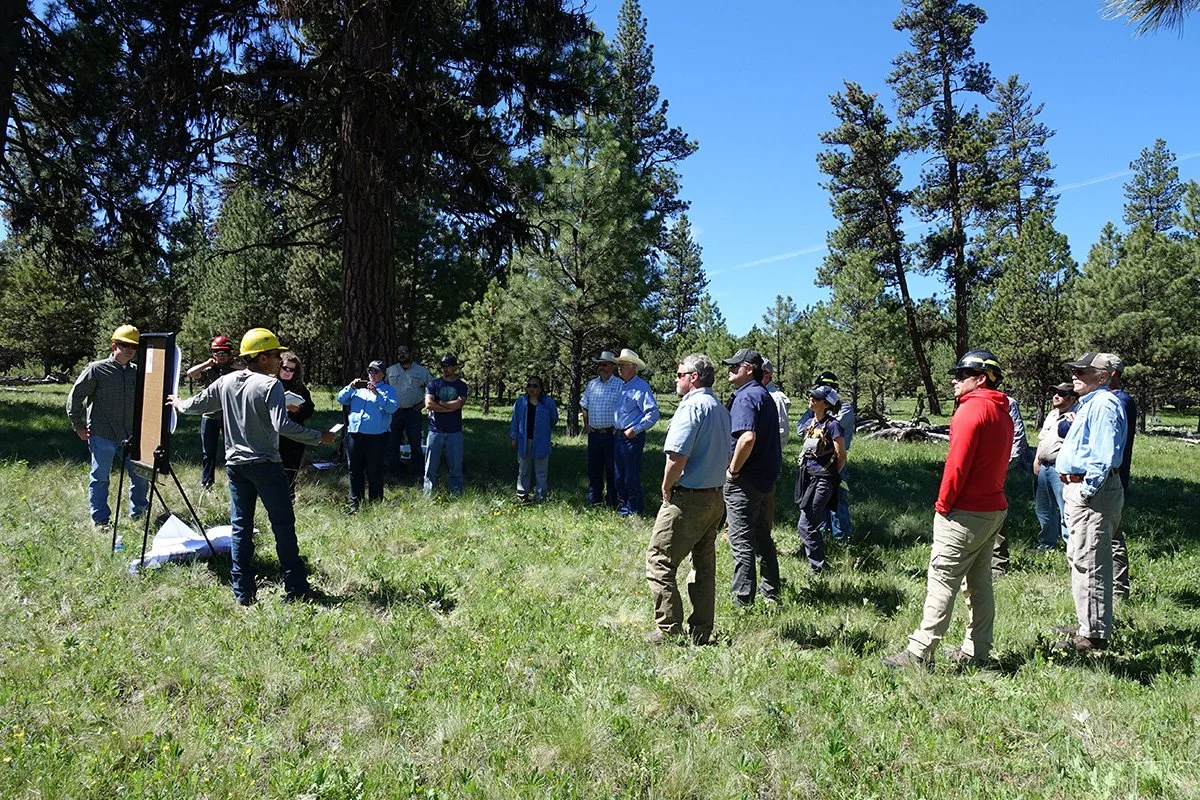
Addressing elk distribution takes collaboration. Private landowners can help by encouraging elk to move back toward public land during early hunting season. On public land, land managers can improve elk nutrition through vegetation management — thinning and fire — paired with road management that balances motorized access with elk security.
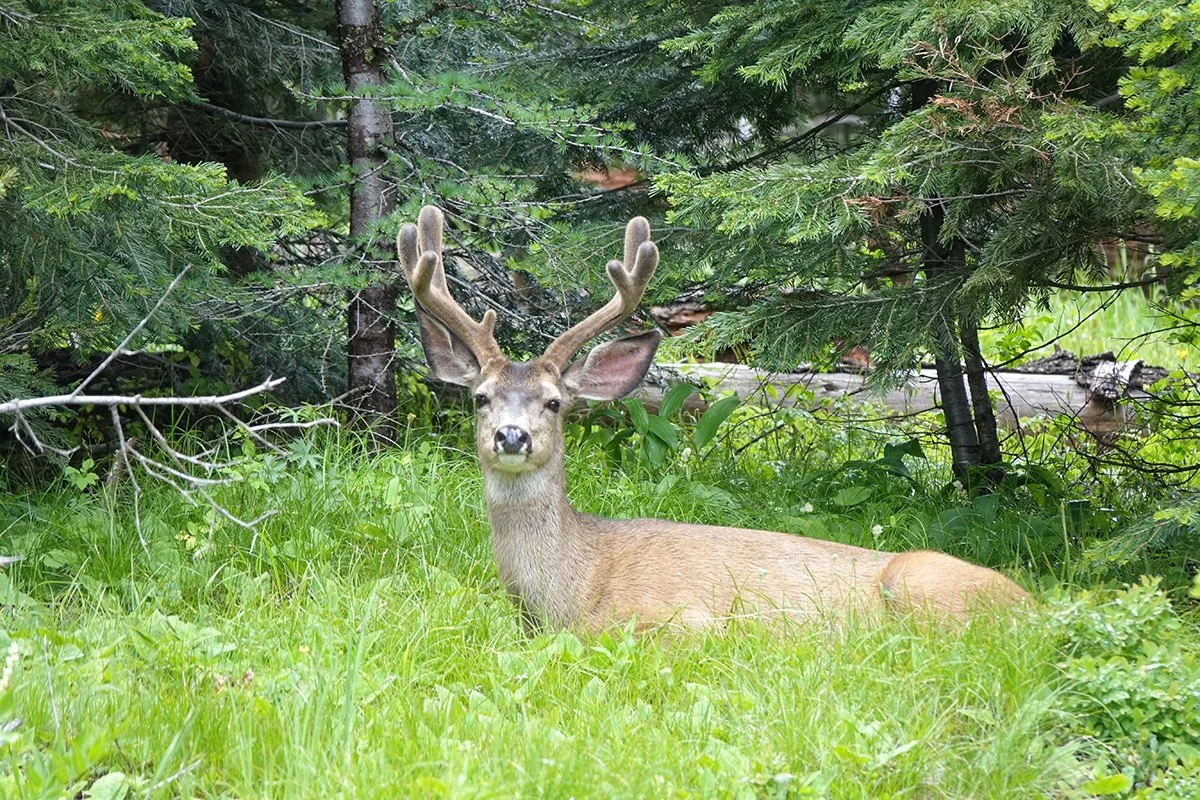
This isn't a people-versus-elk issue. Getting elk distribution right supports hunting and wildlife viewing, honors the cultural significance of elk as a first food, sustains elk-related tourism for local economies, and protects the livelihoods of farmers and ranchers. It also benefits mule deer and other species facing similar pressures.
BMEI’s Role
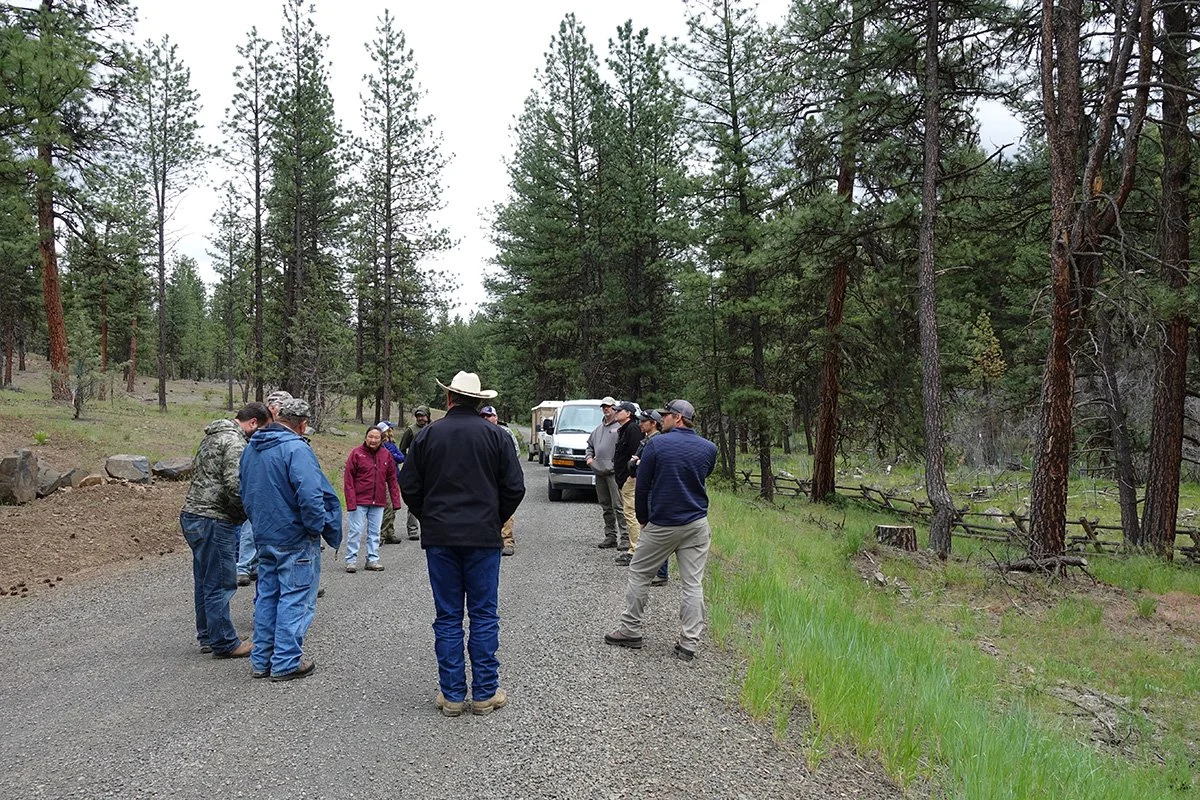
The Blue Mountains Elk Initiative brings together state and federal agencies, tribes, private landowners, and conservation organizations to tackle these challenges together. Because the U.S. Forest Service manages most of the region's summer elk range while states manage elk populations, coordination across these boundaries is essential — and it's exactly what BMEI works to make happen.