
Our Mission
About the Blue Mountains Elk Initiative
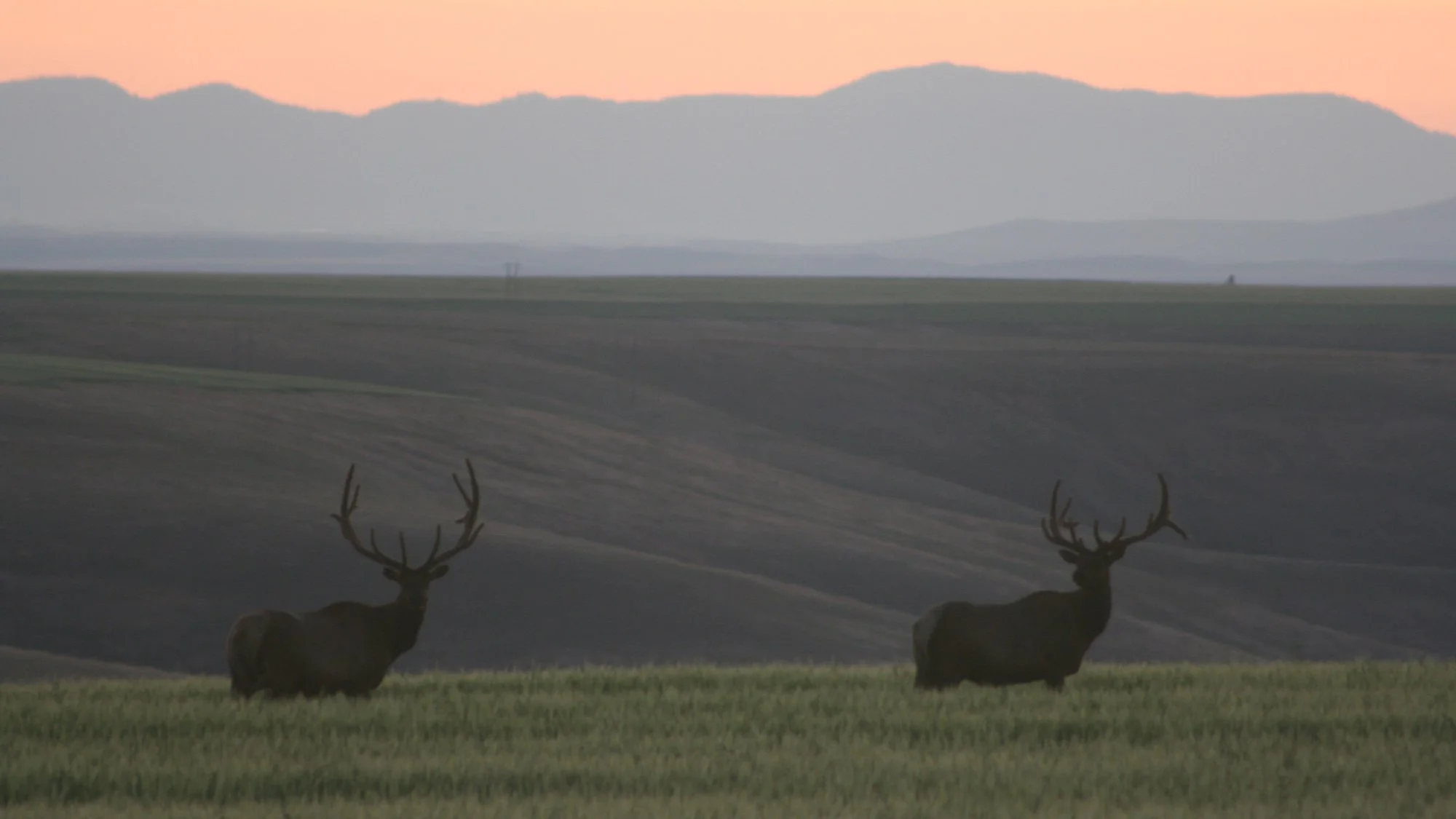
The Blue Mountains Elk Initiative (BMEI) is a cooperative effort between Federal, State, private landowners and industries, Tribal Nations, the Rocky Mountain Elk Foundation, sportsman and conservation organizations, and many other dedicated partners with the mutual goals of improving the habitat for elk and other wildlife across the Blue Mountains of Oregon and Washington.
The BMEI began in the spring of 1990, being officially chartered in March 1991. The Oregon and Washington Departments of Fish and Wildlife initiated the program with the Forest Service and did so in a manner that welcomed participation of others. The Initiative emphasizes cooperation and coordination, places high priority on field projects, strengthens partnerships between all interests, and seeks increased support and understanding from the public.
In its first 35 years as the longest running initiative in North America, the BMEI has partnered with more than 60 agencies, organizations, corporations, and thousands of individuals to leverage over 15 million dollars and accomplished approximately 360,000 acres of habitat enhancement work across the Blue Mountains.
Mission & Goals
The mission of the Blue Mountains Elk Initiative is to manage elk and elk habitat more effectively in the Blue Mountains of Oregon and Washington.
Guiding the work are the goals of state wildlife agencies; Forest Service Land and Resource Management Plans; BLM Resource Management Plans; the needs of private landowners; Tribal Natural Resource Management Plans; the goals of Tribal governments and the trust responsibility of Federal and State agencies to Tribal Nations; desires of sportsmen, conservation, and other user groups; and the latest research and management information.
The Setting
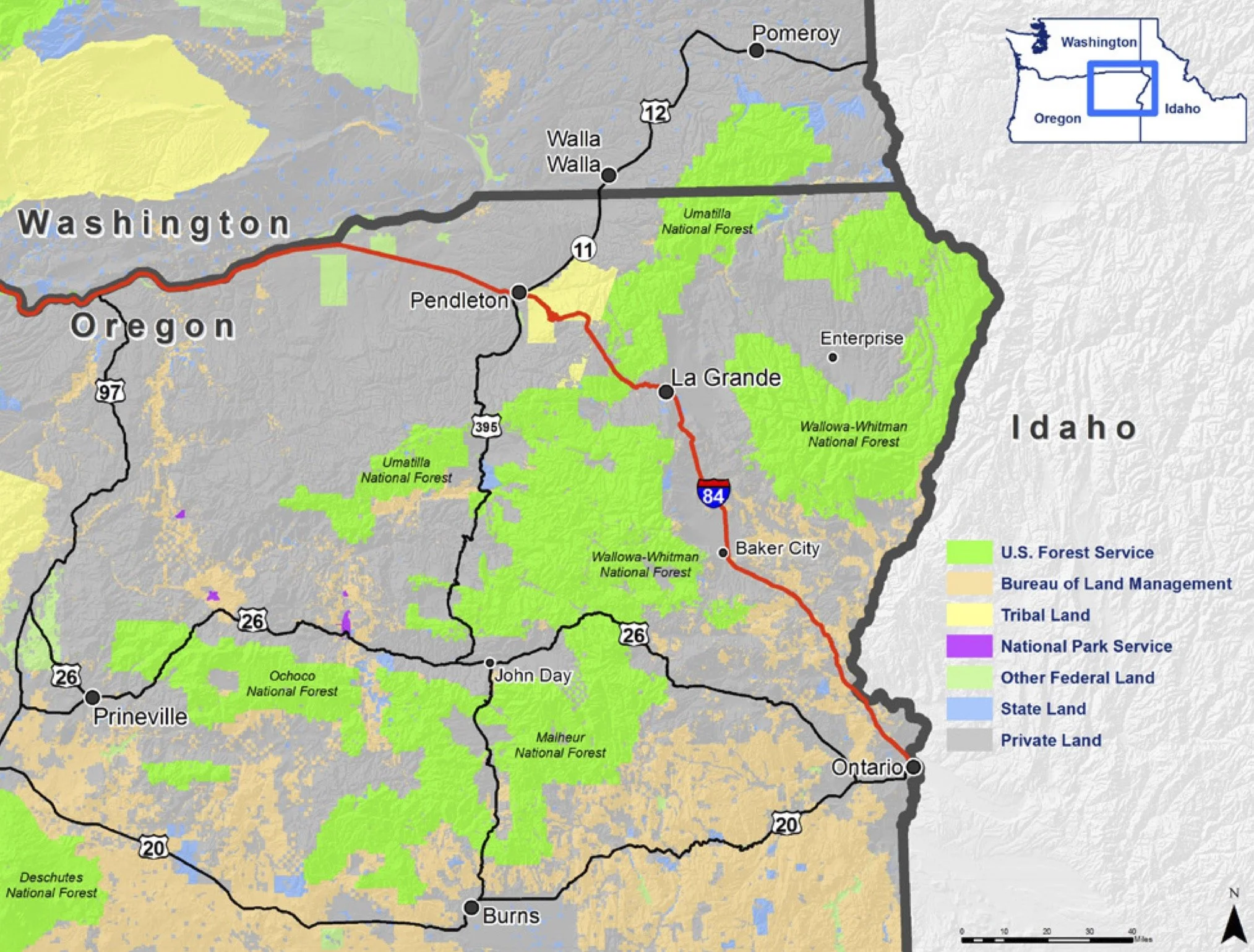
The Blue Mountains Elk Initiative area encompasses 19 million acres within the Blue Mountains of northeast Oregon and southeast Washington. All public, private, and Indian Trust Lands within this area are potentially included, bounded roughly by the Pomeroy and Dayton areas to the north; state borders to the east; Walla Walla, Heppner, and Prineville areas to the west; and Burns and Ontario to the south. These are approximate boundaries, and not intended to exclude any interested participants.
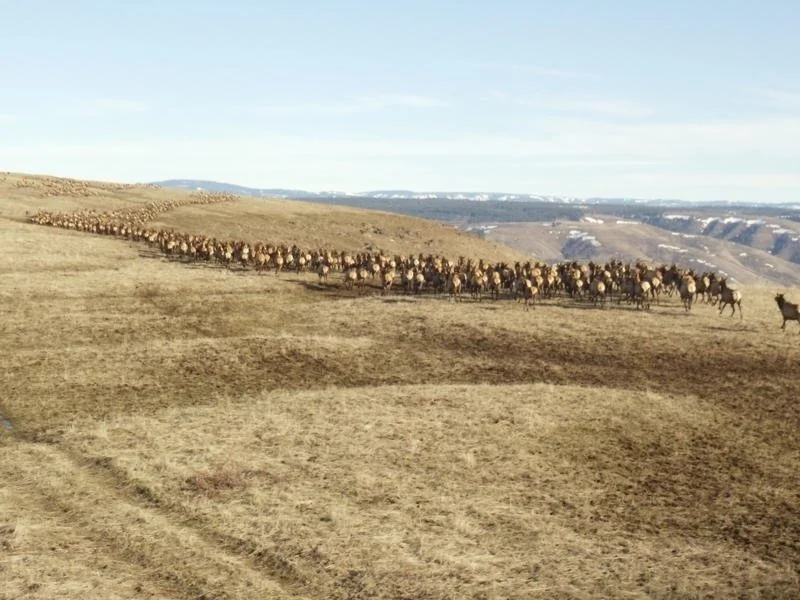
Elk of the Blue Mountains are an integral part of a lifestyle and economy driven by natural resources. The Blue Mountains support one of the largest sustainable elk populations in North America. More than 55,000 elk inhabit the forests and rangelands of northeast Oregon and southeast Washington. The health of these herds is intimately tied to timber and habitat management, ranching, farming, recreational, and subsistence hunting in the region.
In this setting, the prominence of elk is obvious. Some 72,000 elk hunters make the annual pilgrimage to the Blue Mountains each fall, many of whom travel hundreds of miles for the experience. Elk hunters contribute nearly 15 million dollars annually to communities in the Blue Mountains region.
Our Roots
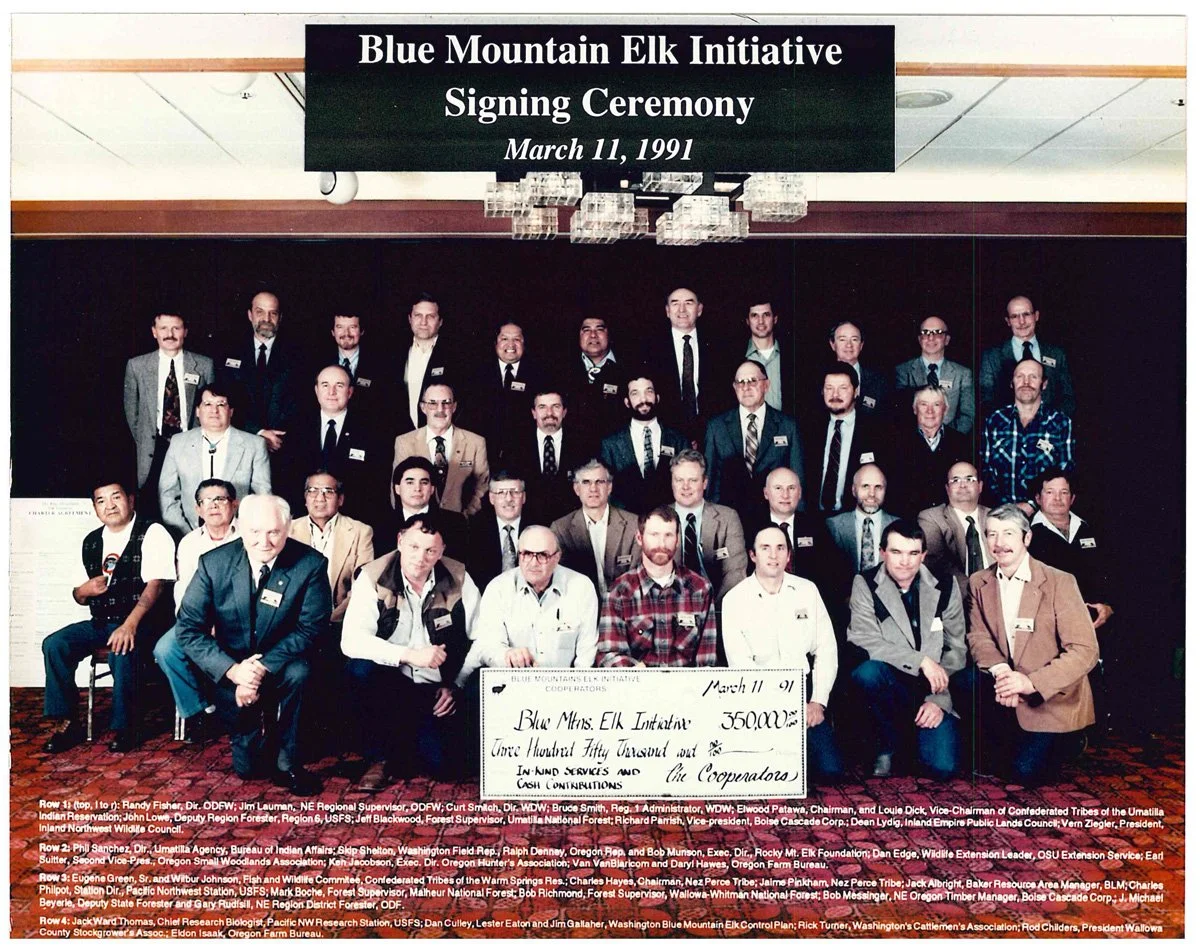
The original charter signing for the Blue Mountains Elk Initiative took place on March 11, 1991. We’re proud of the progress we’ve made in improving elk habitat and security on public lands, and in helping address elk distribution issues and minimizing impacts to adjacent private lands.